
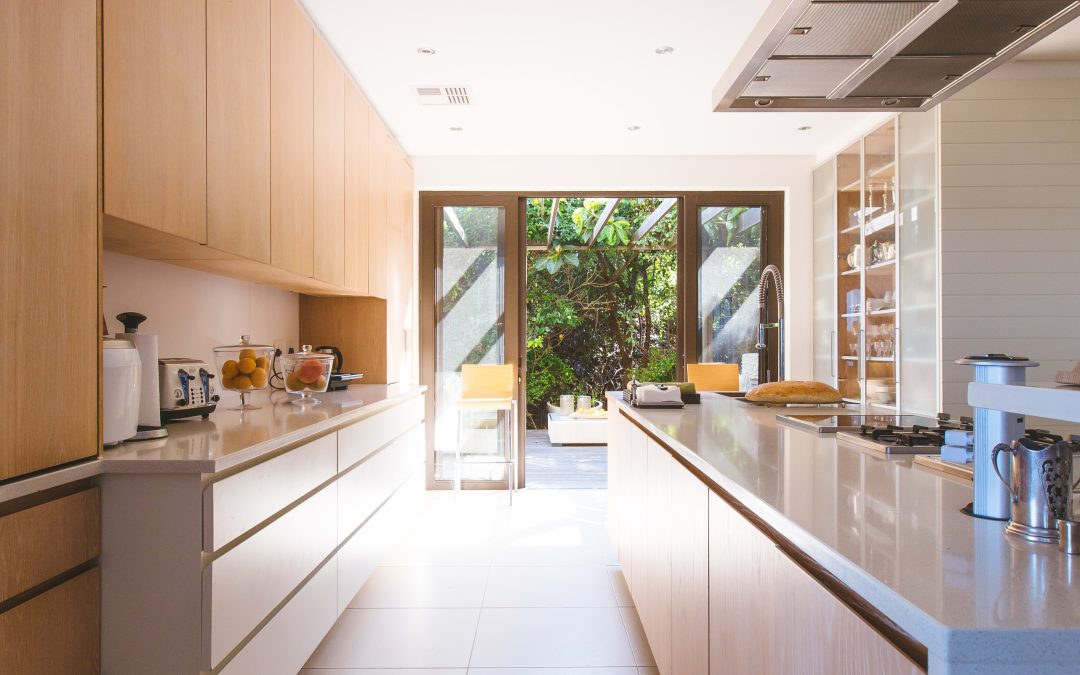
Did you know that, on average, we spend 90% of our time in enclosed spaces?
And we have some bad news: it’s something not very advisable for our physical and mental balance.
Human beings have evolved over thousands of years in open environments. That’s why it’s easy to understand that we’re not made to spend most of our time shut in between four walls.
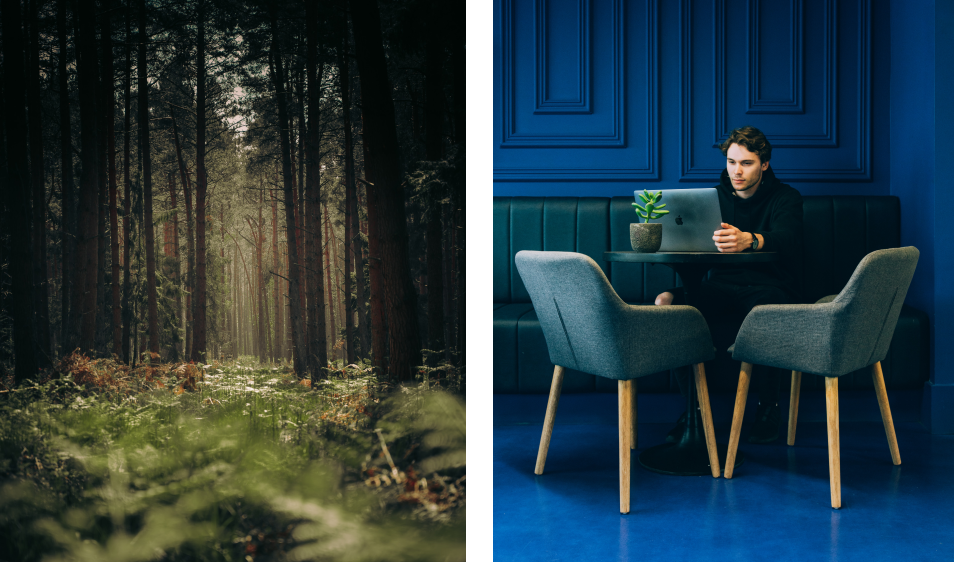
Of course, the most important advice is to try to compensate for this imbalance as best we can, by adding outdoor activities to our routine.
But some things are hard to change.
And most likely, necessity will lead you to keep spending most of your time in enclosed spaces.
Don’t worry: there is something else we can do to mitigate the negative effects that this has on our health.
Today, we tell you how to arrange your space in the healthiest and most organic way possible for your brain, according to what neuroscience tells us.
But first, why is all this so important?
Benefits of arranging your spaces according to neuroscience
1. You take care of the information that reaches you through the conscious plane… and the unconscious one
Of all the information we receive from our surroundings, we only process 5% through the conscious plane.
The rest, we do through the unconscious plane.
And although we may not notice it, this information has the power to affect our autonomic nervous system and alter our breathing, our heart rate, or our body temperature.
Neuroscience helps us understand how this information from the environment makes us feel, even when we are not aware of it.
2. You respect your biological conditions
Over time, we have normalized certain environmental conditions that are unhealthy at both a biological and neurological level.
We have lost the ability to notice how harmful excessively stale air, poor lighting, or overly high electromagnetic pollution can be.
But there is neuroscience to remind us of the conditions our biology encourages us to respect in order to enjoy the best possible state of physical and emotional health.
3. It helps you achieve specific goals
Knowledge in neuroscience applied to architecture and interior design makes it possible to work on spaces in such a way that they influence people’s behavior.
Thanks to this knowledge, it is possible to design a living room that encourages communication, a study that promotes concentration, or an office that boosts creativity.
4. Keeps stress at bay
You’ve surely heard about cortisol: the famous stress hormone.
Work, social life, social media, family, etc.: there is a tendency for our lifestyle to end up contributing to segregating it excessively.
The goal here is not to demonize cortisol: this hormone is also responsible for waking us up in the morning and facing the day with energy.
But the state of chronic stress, with the consequent permanent presence of cortisol in the blood, does constitute a problem.
And improving your space may not be the definitive solution to this problem, but every little bit helps.
Neuroscience has shown us that there are interior designs that contribute to our mental calm, while other spaces produce just the opposite.
5 Improve your mood and cognitive performance
It’s incredible how small changes, such as introducing the presence of water in inhabited spaces or promoting gentle air currents, have a positive effect on our concentration, memory, and mood.
Due to the rise of states of greater happiness, a well-optimized space at the neuroscientific level can even accelerate recovery from illness.

In fact, an article by Ann Sussman and Katie Chen for Common Edge put forward the theory that modern architecture emerged from the disorders of some of its founding fathers.
For example, some authors suggest that Le Corbusier had autism and that his designs reflected his struggle to find calm amid so much cerebral hyperstimulation.
In short, all the benefits of improving spaces according to neuroscience point in the same direction: an improvement in the health, well-being, and cognitive performance of their occupants.
And you’ll agree with us that this is no small thing.
Now, having seen all these advantages, let’s get down to business.
10 tips to improve your space according to neuroscience
1. Prioritize natural materials

One of the concepts that neuroscience has explored most in relation to design is that of biophilia.
According to biologist Edward O. Wilson, contact with living beings and natural materials is as important as socializing with other people.
And one of the easiest strategies to achieve this is to prioritize the use of materials such as solid wood, stone, and other materials of natural origin.
Combine it with the presence of some plants et voilà. Just like in nature itself.
2. The effects of color psychology

Color is one of the most versatile elements in the field of applied neuroscience.
It’s not about determining whether we like a color more or less.
Regardless of our preferences, there are studies that discuss how certain colors change our emotional states without us realizing it.
Have you noticed, for example, that most fast food restaurants are red?
This color stimulates our digestive system and thus promotes a higher table turnover. As you can see, nothing is left to chance.
3. Natural light: that inimitable resource
No matter how advanced our technology is: it still hasn’t been able to reach a sufficient level of development to perfectly reproduce natural light.
And our body knows this.
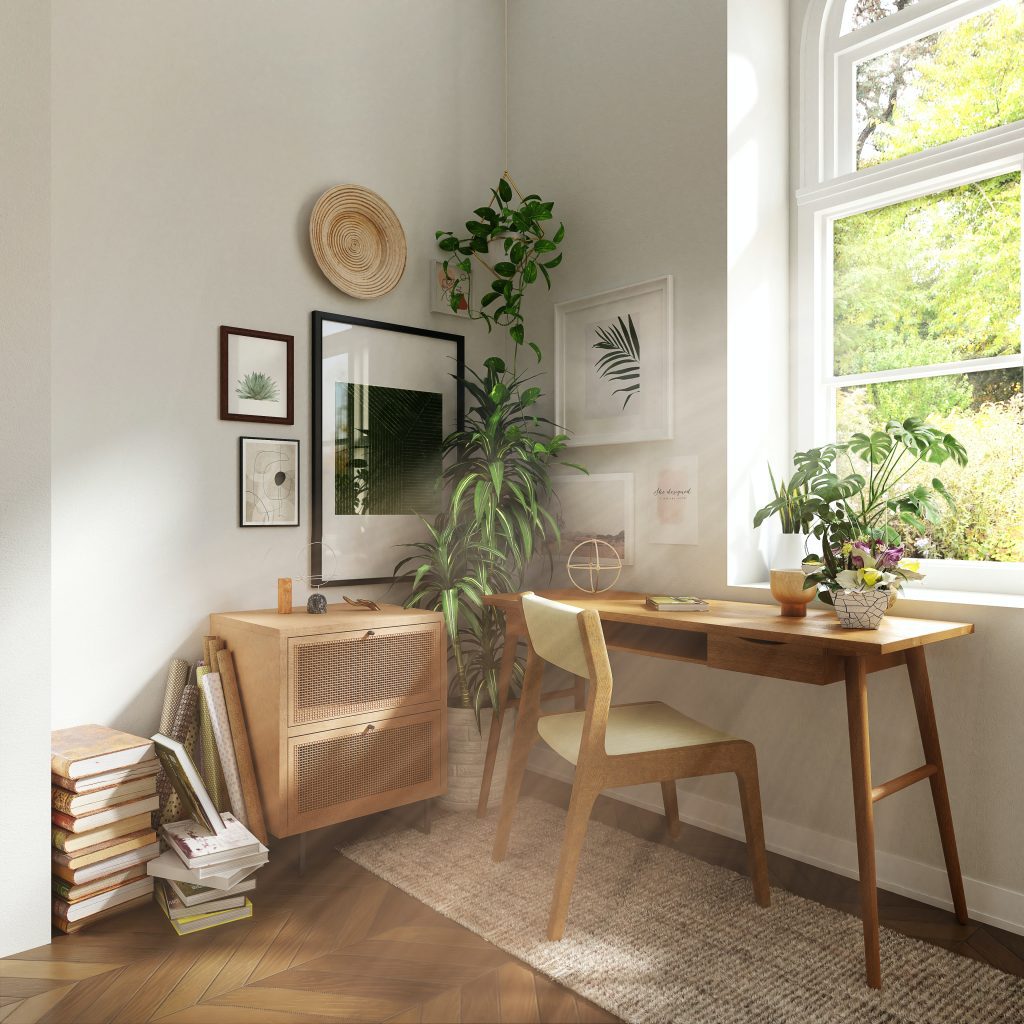
Natural light, even that which filters indoors, is a source of vitamin D, which helps strengthen bone structure.
It also generates greater sustainability by avoiding the waste of energy resources, and here comes an interesting fact: natural light increases productivity by up to 40%.
It also allows us to regulate our circadian rhythm to rest better at night, boosts our immune system, and improves our cognitive function.
4. Artificial light: this is how you can use it
Let’s admit it: having enough natural light for each of the rooms is complicated.
For this reason, or simply in order to illuminate ourselves during the nighttime hours, we will need to turn to artificial light.
But even in this case, there is artificial light and artificial light.
Some luminaires have the ability to change intensity and color throughout the day to respect our circadian rhythm.
Other simpler adaptive lighting systems are also a good idea to help us recreate different lighting scenes as needed.
For example, ambient lighting for moments of relaxation or a more intense light during some type of activity.
5. Water in motion as a decorative element
As we told you in a previous section, introducing moving water into your interior space reduces stress and improves your mood.

The use of water as a decorative element in the East is very common. In our culture, not so much yet. Would you dare to incorporate it?
6. The view from the outside
Neuroscience discovered that our brain needs to have unobstructed views of more than 30 meters away.
However, this is a point about which little can be done in most cases.
The real estate market’s offering may force us to settle for spaces that are not favorable in this regard.
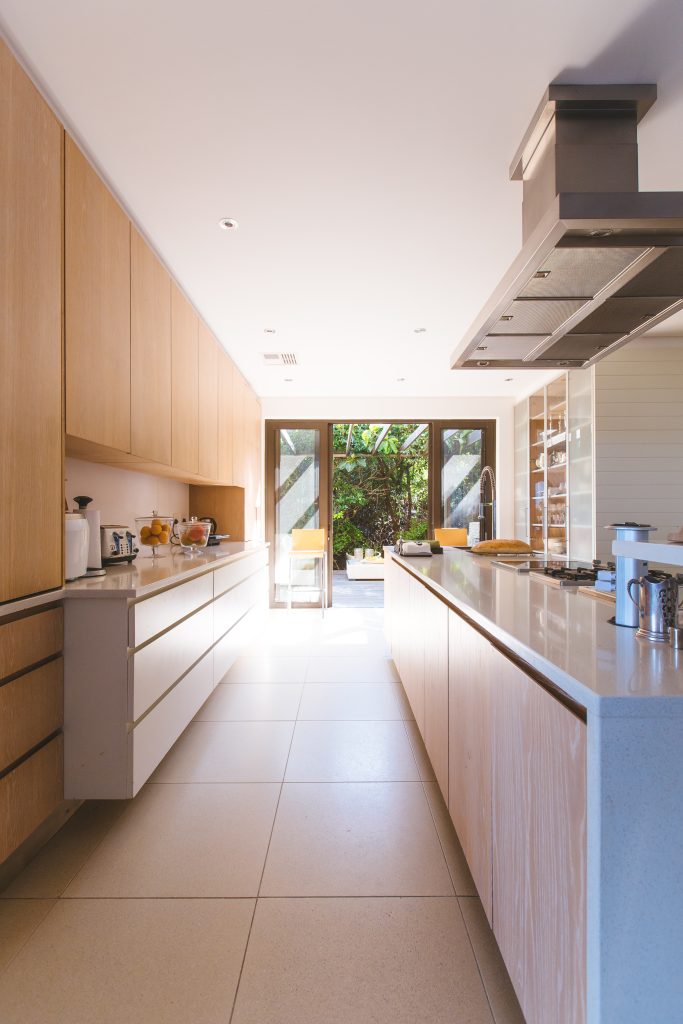
Even so, knowing this information can help you prioritize rooms with windows facing outside for the activities that take up most of your time.
In the same vein, you might think twice before covering your windows with thick curtains if this was your habit.
7. Proportions and patterns, according to neuroscience
The growth pattern of plants, the movement of cyclones, the tides, our bone composition… you’ve probably heard it before: nature is mathematical.
Respecting certain proportions and patterns in the arrangement of our spaces is comforting for our brain, something that architects and interior designers can help you achieve.
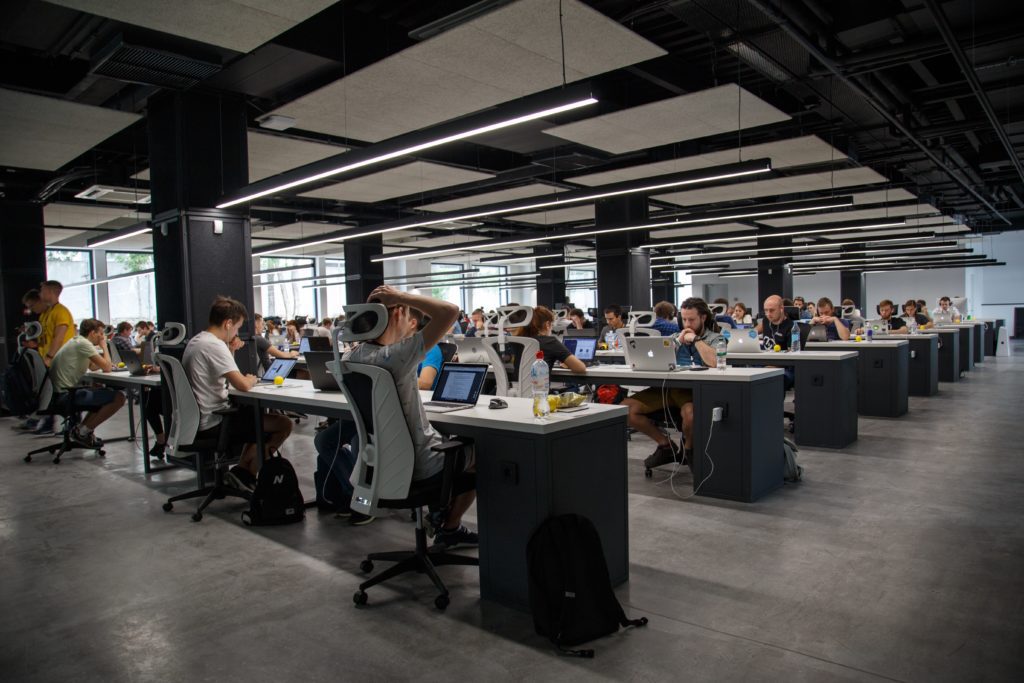
8. The importance of acoustic comfort
Acoustics: the great overlooked aspect of interior design.
However, the adverse effects of poor acoustics are numerous: from stress, hearing loss, increased heart rate and blood pressure to irritability, discomfort and psychological disorders.
On the other hand, intellectual performance and productivity increase by 50% in a quiet work environment. This also contributes to reducing stress and to a better overall state of health.
But how do we achieve this acoustic comfort we’re talking about?
It is important to know that, in acoustics, there are two types of measurement:
- Insulation, which encompasses those actions aimed at stopping the spread of external sounds into our space.
- Acoustic absorption, which includes measures aimed at mitigating sound reverberation in an enclosed space.
9. Furniture placement and its influence on social relationships
Have you ever stopped to think about how the arrangement of furniture does or does not predispose people to social interactions?
A large table with many chairs will predispose the interaction of large groups, while a room with corners of two or three armchairs in various corners will encourage more personal relationships.
Both in your home and in your workspace, think about how you would like to arrange your furniture to achieve one result or another.
10. Take care of air quality
The air we inhale plays a crucial role in preserving our health.
We usually think about it when it comes to open spaces, since we are all aware of the dangers of pollution in big cities.
But air quality in enclosed spaces is also a factor that deserves our attention. As we saw at the beginning, that is where we spend most of our time.
Prioritize natural ventilation whenever possible, as it helps to eliminate accumulated particles.
In addition, keep in mind that synthetic materials, such as those derived from petroleum, emit toxic residues into the air. Yet another reason to prioritize the use of natural materials.
According to neuroscience, the key lies in nature

As you may have seen throughout these tips, nature is often the best source of inspiration when it comes to creating spaces that contribute to our health and well-being.
The thing is, biology evolves much more slowly than culture.
For our animal brain, spaces that recall the nature that sheltered it for millennia are a great source of calm.
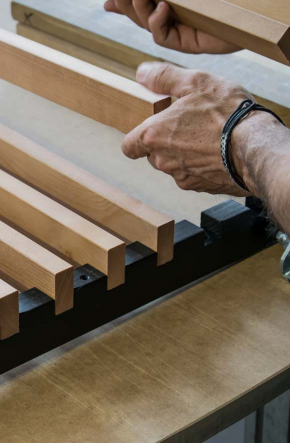
That’s why, at Woodslines, we have committed to materials of 100% natural origin, such as solid wood or rock wool, derived from volcanic rocks.
Incorporating our panels as cladding in your space improves acoustic absorption, protects air quality and allows you to enjoy a natural finish that evokes the forests that once sheltered humankind.